

| Key Takeaways: • Start with the business goal. Identify where customers struggle to find you or take the next step before choosing a service. • Match the service to the gap. SEO can improve organic visibility, while local SEO helps businesses reach nearby customers. PPC can provide faster visibility for a defined offer. • Do not buy more traffic before checking what happens to it. If qualified visitors rarely inquire, website improvements or conversion rate optimization may be the better first investment. • Consider how customers make decisions. Content can answer their questions, reviews can affect their confidence and email can support repeat business. • Treat AI-search optimization as an extension of a strong foundation. Assess whether customers use AI tools to research your services before making it a separate priority. • Start with what you can measure. A limited budget is better focused on the biggest bottleneck than spread across every available service. |
|---|
Choosing digital marketing services starts with understanding what your business needs to improve. You need to find where potential customers lose the opportunity to discover your business or become customers. This guide shows how to match services to that gap. It also explains when search engine optimization (SEO) or pay-per-click (PPC) advertising may deserve priority.
For companies comparing digital marketing services for small business growth, the starting point is a diagnosis, not a package.
• Start With the Business Goal, Not the Marketing Service
• Which Digital Marketing Service Do I Need?
• When Does a Business Need SEO?
• When Does a Business Need Local SEO?
• When Does a Business Need PPC or Paid Search?
• Do I Need SEO or PPC?
• When Does a Business Need Content Marketing?
• When Does a Business Need Web Design or Development?
• What if My Website Gets Traffic but Not Enough Leads?
• When Does a Business Need Reputation Management?
• Does My Business Need AI SEO?
• Does Every Business Need Social Media Marketing?
• Does Every Business Need Email Marketing?
• How Do I Know Which Service to Prioritize First?
• How Many Digital Marketing Services Should I Start With?
• What if My Digital Marketing Budget Is Limited?
Start With the Business Goal, Not the Marketing Service
Before choosing a channel, define the result you need. Google Ads, for example, organizes campaigns around objectives such as sales, leads and website traffic. Depending on the campaign type, objectives can also address awareness or app promotion. Google advises businesses to identify their advertising goals so they can measure performance against what they intended to achieve.
The same principle applies beyond advertising. Ask which of these questions best describes your business:
• Do we need more qualified leads?
• Do we need more online sales?
• Do we need stronger local visibility?
• Do more people need to know our brand?
• Do we need more repeat customers?
• Do visitors reach our website but leave without converting?
• Do competitors appear where we do not?
The types of digital marketing services available should not dictate your plan. Define the outcome first, then investigate what is preventing you from reaching it. The service should follow the goal.
Which Digital Marketing Service Do I Need?
Match the service to the clearest evidence of underperformance:
| What You’re Seeing | Service to Consider |
| Few people find you in search | SEO, or local SEO if customers search for nearby providers |
| You need traffic for a time-sensitive offer | PPC advertising |
| Visitors leave without contacting you | Website optimization or conversion rate optimization (CRO) |
| Buyers need more information before deciding | Content marketing |
| Prospects hesitate because of reviews | Reputation management |
| Existing customers rarely return | Email marketing |
A digital marketing services list can show you the options, but it cannot tell you which problem costs your business the most. Use your goals and performance data to make that decision.
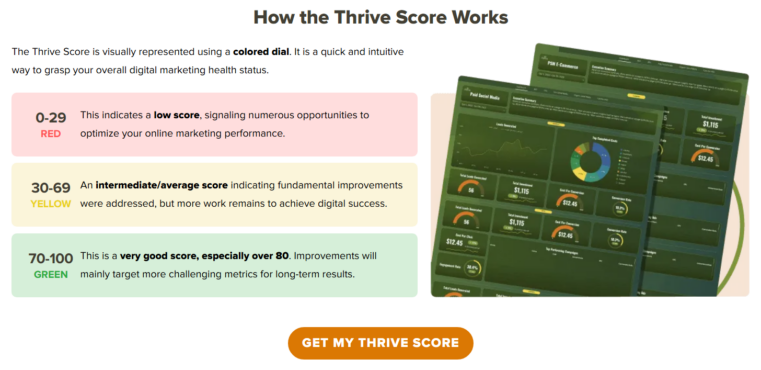
Want a starting point for your diagnosis? Thrive Score assesses several areas of digital marketing performance and highlights potential strengths and gaps. Use its findings alongside your business goals to decide what deserves a closer look.
When Does a Business Need SEO?
SEO helps when customers search for your services but your website has limited visibility in relevant results. It may also help when your pages attract visitors who are unlikely to become customers.
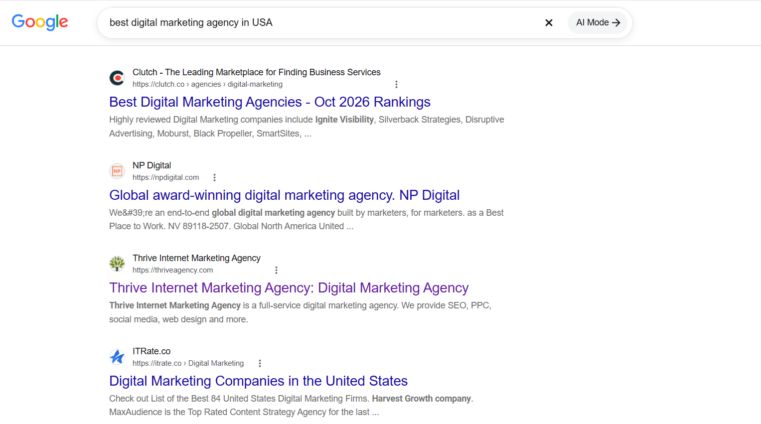
Google describes SEO as helping search engines understand content and helping people find a website through search. (Source)
SEO May Deserve Priority When:
• Customers regularly research your services through search engines.
• Important service pages have limited organic visibility.
• You can invest in improving your site over time.
• Organic traffic does not align with the services you want to grow.
SEO is generally a longer-term investment. It is not usually the fastest way to test a new offer or address an immediate pipeline gap.
What Do Google’s Search Essentials Emphasize?
Google’s Search Essentials distinguish the minimum technical requirements for appearing in Search from practices that can help Google find and understand content. For a business website, the guidance includes:
• Make content technically accessible. Check that Google can access important pages and that they meet its basic technical requirements.
• Create helpful, reliable content. Answer customers’ questions with information written for people rather than search engines.
• Use language people search for. Describe your services using the terms customers use, particularly in page titles and headings.
• Make internal links crawlable. Link between relevant pages in a way Google can follow.
• Help people discover your website. Promote useful pages through relevant channels instead of relying on search alone.
These practices strengthen your SEO foundation. They do not guarantee that a page will be crawled or indexed, nor do they guarantee visibility in search results.
When Does a Business Need Local SEO?
Local SEO helps businesses reach people searching within a geographic area. It may involve improving location pages and keeping business details accurate wherever customers encounter them.
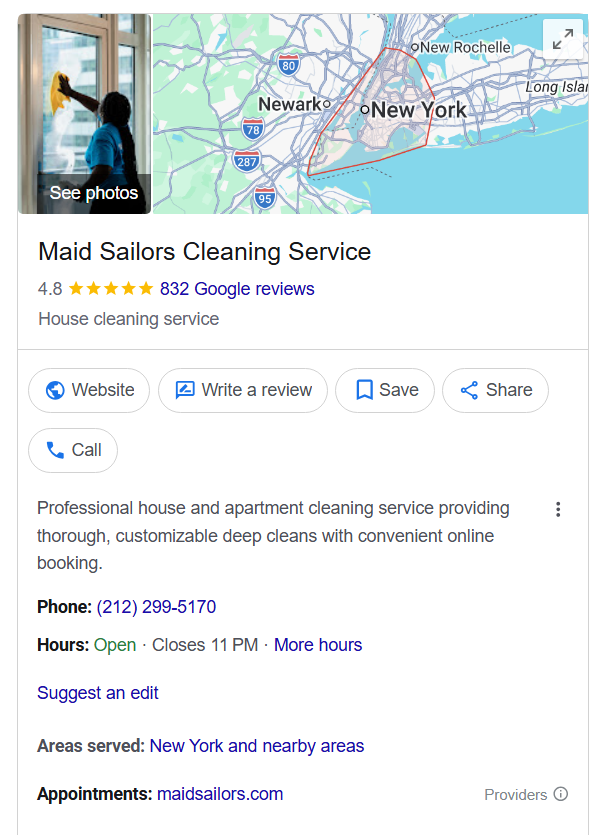
Local SEO May Be Particularly Relevant For:
• Businesses serving customers at a physical location.
• Service-area businesses that travel to customers.
• Companies with multiple locations that need distinct local visibility.
For a local company, digital marketing solutions for small businesses should account for where customers search as well as what they search for. If competitors consistently appear in local results while you do not, investigate the visibility gap.
When Does a Business Need PPC or Paid Search?
Paid search may make sense when potential customers are already searching for relevant products or services. It gives a business control over campaign timing and spend. SEO builds organic visibility, while paid search lets businesses buy ad placement around defined advertising objectives. Neither is inherently better.
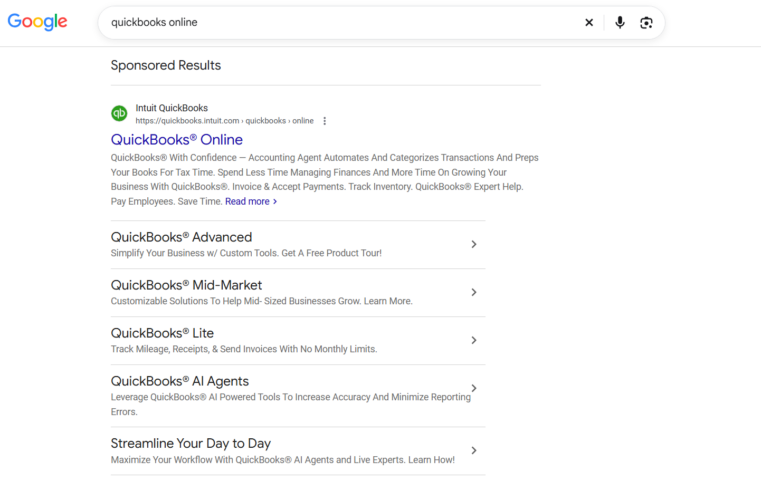
Google Ads supports objectives such as sales and leads, along with website traffic. It also offers awareness-related and app promotion objectives, depending on the campaign type. Those objectives apply to Google Ads more broadly, not paid search alone.
PPC May Deserve Priority When:
• The business needs to generate inquiries quickly.
• High-intent searches already exist.
• A new offer needs visibility.
• Organic rankings are still developing.
• The business can reliably measure leads or sales.
Paid search can capture existing demand quickly. If people are not yet looking for the offer, a different advertising approach may be needed to build awareness.
Do I Need SEO or PPC?
Choose based on how soon you need visibility and what you can afford to spend. Neither is automatically the better first investment.
SEO May Receive More Emphasis When:
• Customers consistently search for your services.
• You want to build organic visibility over time.
• Ongoing paid acquisition costs are difficult to sustain.
PPC May Receive More Emphasis When:
• You need visibility sooner.
• You have a defined offer to promote.
• You can measure whether the resulting leads justify the ad spend.
Both May Make Sense When:
• You want paid search to reach customers while organic visibility develops.
• You can use campaign results to better understand relevant searches.
PPC does not replace SEO. Paid placement can bring visitors to your site, but your pages still need to answer their questions and make the next step clear.
When Does a Business Need Content Marketing?
Content marketing helps answer the questions customers ask before they contact you. It can support search visibility, but its first job is to help someone understand a problem or evaluate a solution.
Content Marketing May Be Important When:
• Buyers compare different approaches before making contact.
• Your services require explanation.
• Sales teams answer the same questions repeatedly.
• Existing pages do not address common objections.
Google’s guidance on helpful, people-first content asks whether a page provides:
• Original information
• Original reporting
• Original research
• Original analysis
• Evidence of first-hand expertise
• Substantial value beyond other pages on the same topic
These are questions to use when evaluating content, not a checklist every page must complete. Start with questions that affect customer decisions. Then answer them with useful detail.
When Does a Business Need Web Design or Development?
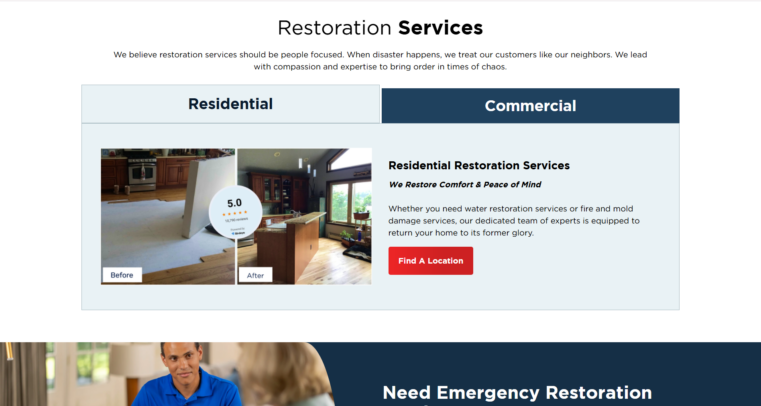
Web design or development may deserve attention when your website makes it difficult for customers to understand your services or take the next step. The solution might be a targeted fix rather than a full redesign.
Web Design or Development May Deserve Priority When:
• The site is difficult to use on a phone.
• Important pages load slowly or do not work properly.
• Visitors cannot quickly tell whom you serve.
• Forms or booking tools create friction.
• Important content is difficult to access.
Google recommends providing a strong overall page experience. For a business website, that means checking whether pages work well on mobile devices and load efficiently. Important content should also be available to visitors and search engines.
Google’s guidance for artificial intelligence (AI) features reinforces the value of a good page experience. It also recommends making important content available in text and helping people find it through internal links. Google does not set separate technical requirements for appearing in its AI features. Mobile usability and faster loading remain worthwhile website priorities, but they should not be framed as special AI search requirements
A redesign is not automatically necessary. Identify the obstacle affecting customers first, then make changes that address it.
What if My Website Gets Traffic but Not Enough Leads?
Start by separating traffic volume from traffic quality. Some visitors may not be ready to buy. Others may reach pages that do not answer their questions. If qualified visitors arrive but rarely inquire, conversion rate optimization (CRO) may deserve attention before you spend more to attract traffic.
CRO or Website Optimization May Deserve Attention When:
• Relevant pages receive visits but few inquiries.
• Calls to action are unclear.
• Forms are difficult to complete.
• Visitors cannot find the information needed to decide.
Review the path from arrival to inquiry. Make focused changes, then measure whether qualified leads improve.
When Does a Business Need Reputation Management?
Reputation management matters when customer feedback affects whether prospects trust your business. It is particularly relevant when people can easily compare your reviews with competitors’ reviews.
Reputation Management May Be Relevant When:
• Recent feedback is limited or unanswered.
• Customers raise recurring concerns.
• Public business information is inconsistent.
The priority is not simply collecting more praise. Address customer concerns and help prospects evaluate your business fairly.
Does My Business Need AI SEO?
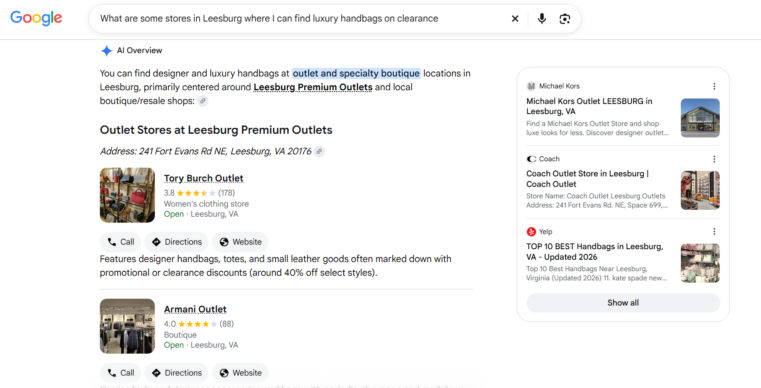
AI search optimization may be worth examining if customers use AI search platforms while researching your services. It should build on useful content and a technically accessible website rather than replace foundational SEO.
AI Search Optimization May Deserve Attention When:
• Customers ask complex questions before choosing a provider.
• Existing pages do not fully explain your expertise.
• You want to understand how your brand appears in AI-generated answers.
• You can measure this additional discovery channel.
Not every business needs a separate AI SEO campaign immediately. First, assess whether AI-assisted research matters to your customers. Then examine whether your existing content answers their questions.
Does Every Business Need Social Media Marketing?
Social media deserves investment when customers use relevant platforms to discover businesses or stay connected with them. It can help demonstrate your work, but posting regularly is not a goal by itself.
Among the types of digital marketing services available, social media may be less urgent if customers primarily find providers through search and your search visibility is weak. Choose platforms based on customer behavior rather than popularity.
Does Every Business Need Email Marketing?
Email works best when you have permission to contact people and a useful reason to do so. It can encourage repeat purchases or help interested prospects stay informed.
Email marketing services for small businesses may be useful when customers buy repeatedly or take time to make a decision. If you lack a reliable contact list, establish that foundation before investing in a complex campaign.
How Do I Know Which Service to Prioritize First?
Find where customer demand and business performance diverge most clearly. If you are researching how to choose a digital marketing agency, ask prospective partners how they would identify that gap before recommending a service.
“The right first investment depends on where a business is losing potential customers, not on how many channels it can afford to run,” said Jimi Gibson, Vice President of Brand Communications at Thrive Internet Marketing Agency.
If Nobody Can Find You:
Investigate search visibility first. Depending on your market, SEO or paid search may be appropriate. Local SEO may matter if customers search for nearby providers.
If People Find You but Do Not Understand Why They Should Choose You:
Improve your service pages and supporting content. Make your offer clear and explain who it serves.
If Traffic Is Strong but Leads Are Weak:
Check traffic quality before spending more to attract visitors. If qualified visitors are not inquiring, review your conversion paths.
If Customers Know the Brand but Do Not Return:
Examine your follow-up process. Email marketing services for small businesses may help when customers have a reason to buy again.
If Local Competitors Consistently Dominate:
Review local search results and customer feedback. Determine whether visibility or reputation is the more pressing gap.
If Customers Increasingly Research Through Generative AI:
Assess how well your content answers their questions. Consider AI-search visibility as an extension of your existing search strategy.
How Many Digital Marketing Services Should I Start With?
Start with as few services as needed to address the main constraint and measure progress. One service may be enough. In other cases, two related efforts work better together. For example, paid ads may need a stronger landing page before additional spend makes sense.
Expand the program when you can see how each channel contributes to results. Do not treat a long digital marketing services list as an implementation plan.
What if My Digital Marketing Budget Is Limited?
A limited budget makes prioritization more important. Look for evidence of customer intent, then identify the bottleneck preventing those customers from choosing you. The best digital marketing solutions for small businesses address a specific constraint rather than fund the most activities.
Where Customers Already Demonstrate Intent
Look at how ready-to-buy customers search for providers. Improving visibility where they already look may be more useful than trying to build demand across new channels.
The Biggest Bottleneck
Fund the issue most likely to limit growth. If your site fails to convert qualified visitors, increasing traffic first may waste money.
Measurement
Set a clear goal before investing. Track qualified inquiries or sales, then review whether the chosen service is helping.
“A limited budget calls for a clearer diagnosis and a way to measure whether the first change is working,” Gibson said.
Digital Marketing Services Decision Table
Use this digital marketing services list as a starting point, not a prescription. Several issues can appear at once, so confirm the primary cause before committing your budget.
| What You Observe | Service to Investigate First | What to Check Before Investing |
| Customers search, but you rarely appear | SEO | Whether relevant pages exist and can be found |
| Nearby competitors appear more often | Local SEO | Location relevance and business information |
| You need visibility for a timely offer | PPC | Lead value and conversion tracking |
| People visit but rarely inquire | CRO or website optimization | Traffic quality and page friction |
| Buyers have unanswered questions | Content marketing | Questions that affect their decisions |
| Reviews discourage prospects | Reputation management | Recurring concerns and response practices |
| Existing customers do not return | Email marketing services for small businesses | Contact permissions and reasons to follow up |
| Buyers use AI tools to research options | AI-search optimization | Content quality and available measurement |
The right mix differs by business. Thrive Internet Marketing Agency can assess search visibility, paid media and website performance alongside the other factors affecting customer acquisition. The goal is to recommend only the combination that addresses your most important gap. If you are considering how to choose a digital marketing agency, look for one that can explain both what it would prioritize and what it would leave for later. Contact Thrive to discuss where your customer journey needs the most attention.
Frequently Asked Questions (FAQs) About Digital Marketing Services You Need
DOES EVERY BUSINESS NEED SEO?
SEO is worth considering when customers search for what you offer and your site has limited visibility. If people already find you but rarely inquire, improving your website may be the more useful first step.
SHOULD I CHOOSE SEO OR PPC FIRST?
Choose based on your timeline and the result you need. SEO can build organic visibility over time, while PPC can put a defined offer in front of people searching for it sooner. Paid traffic still needs a page that helps visitors take action.
DO LOCAL BUSINESSES NEED LOCAL SEO?
Local SEO is often important when customers search for nearby providers or compare businesses in a service area. If competitors appear in local results and you do not, investigate whether your business information or location pages need attention.
WHAT IF I ALREADY GET A LOT OF WEBSITE TRAFFIC?
Check whether that traffic comes from people likely to buy. If qualified visitors arrive but rarely contact you, review the pages they use and where they stop taking action before investing in more traffic.
DO I NEED AI SEO IN ADDITION TO REGULAR SEO?
Not automatically. Start with accessible pages and content that answers customers’ questions. Then assess whether your audience uses AI-powered tools to research providers and whether you can measure that discovery channel.
DO I NEED SOCIAL MEDIA MARKETING?
Only if it serves a clear business goal and reaches customers on platforms they use. A business that depends heavily on high-intent searches may need to address a search visibility gap before increasing its social media activity.
DO I NEED EVERY DIGITAL MARKETING SERVICE?
Digital marketing services for small business growth should address the biggest measurable gap first. Add another service when you understand what it is meant to improve and can assess whether it is working.
HOW DO I CHOOSE A DIGITAL MARKETING AGENCY?
When evaluating how to choose a digital marketing agency, ask how it identifies your main constraint and decides what to prioritize. A useful recommendation should explain which services can wait, not just which ones you could buy.
WHAT TYPES OF DIGITAL MARKETING SERVICES SHOULD I CONSIDER FIRST?
The service types worth considering depend on your main gap. If customers cannot find you, investigate visibility. If they find you but do not inquire, focus on what happens after they arrive.
WHAT IF MY BUDGET ONLY COVERS ONE SERVICE?
Choose the service tied most directly to your biggest constraint. Digital marketing solutions for small businesses work best when they have a clear objective and a way to measure progress.